
The simple pleasure of dipping warm, crusty bread into seasoned olive oil transforms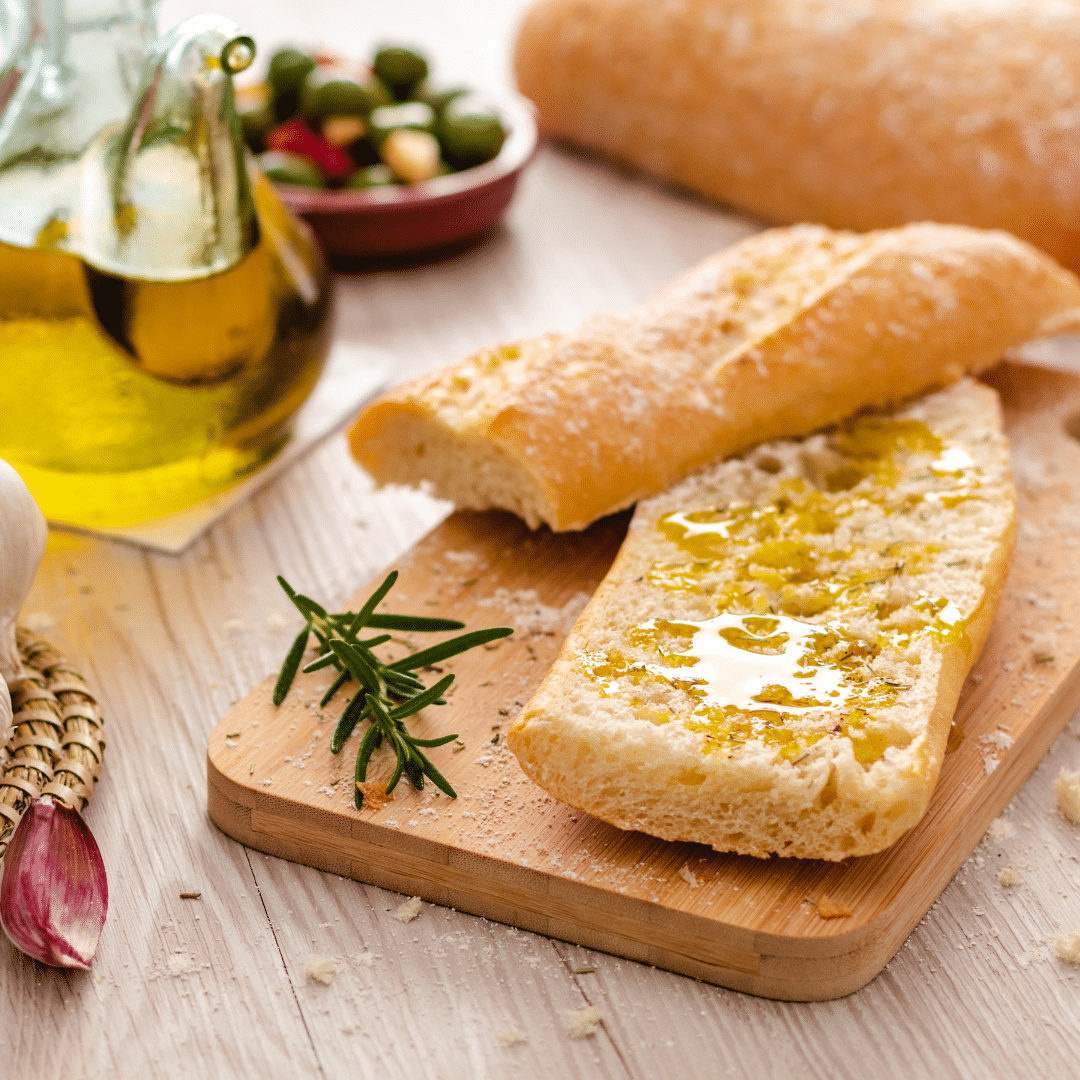 any meal into a memorable experience. This restaurant-style olive oil bread dip combines high-quality extra virgin olive oil with aromatic herbs and spices to create an irresistible appetizer that takes just minutes to prepare.
Whether you’re hosting a dinner party or looking for a quick snack, olive oil bread dip offers endless possibilities for customization. You can create everything from classic Italian bread dip to bold, creative variations that reflect your personal taste preferences.
Understanding which oils work best, how to balance flavors, and the proper techniques for preparation will elevate your bread dipping experience from ordinary to extraordinary. With the right spice combinations and presentation tips, you’ll discover why this simple appetizer has become a staple at restaurants and home tables worldwide.
Excited to Make Your Own Olive Oil Bread Dip?
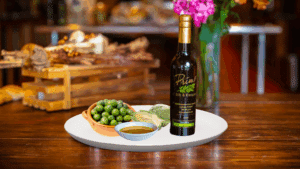 Grab a bottle today! While we recommend making our bread dips with infused EVOO, it’s just as good with varietals as well.
Best used when you want your dips with a peppery, fresh taste.
What Is Olive Oil Bread Dip?
Olive oil bread dip is a simple appetizer made by combining high-quality extra virgin olive oil with dried herbs and spices. This restaurant-style Italian appetizer creates an elevated dining experience that takes just minutes to prepare.
Traditional Ingredients
The foundation of any good olive oil bread dip starts with extra virgin olive oil. You’ll want to choose a high-quality oil with a rich, fruity flavor that can stand on its own. Here at Primo Oils we only offer the best, highest quality olive oils from around the world. You can choose from a peppery fresh varietal or one of our many infused flavors. Either way, you can’t go wrong!
The classic herb and spice blend typically includes dried oregano, basil, rosemary, and thyme. Most recipes also call for garlic powder or minced fresh garlic for depth.
Essential seasonings include:
- Red pepper flakes for heat
- Freshly ground black pepper
- Sea salt or kosher salt
- Parmesan cheese (optional)
Some variations add dried parsley, onion powder, or Italian seasoning blend. The key is balancing the herbs so no single flavor overwhelms the olive oil’s natural taste.
Fresh herbs can be substituted, but dried herbs are preferred because they infuse the oil more effectively. Primo Oils carries several spice mixes from Saratoga Spicery that make creating your perfect blend effortless.
Origins and History
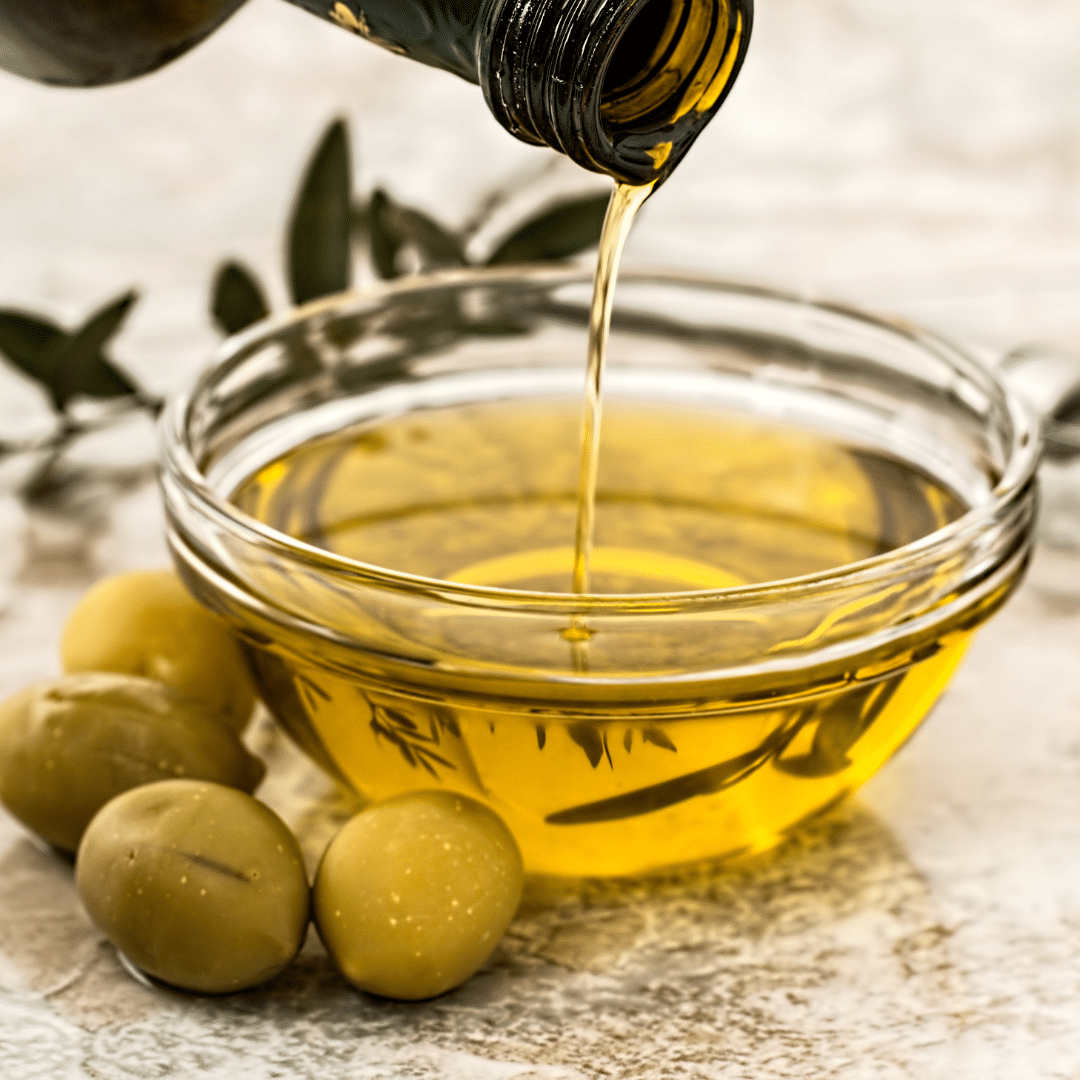 Olive oil bread dip has its roots in traditional Italian cuisine, though the specific restaurant-style version popular today evolved differently. In Italy, fett’unta or bruschetta involves drizzling olive oil directly on toasted bread with garlic and salt.
The American restaurant adaptation emerged as Italian-American establishments sought simple, cost-effective appetizers. This easy olive oil bread dip became a staple because it required minimal preparation while creating an authentic dining atmosphere.
Mediterranean cultures have long celebrated olive oil as both a cooking ingredient and condiment. The practice of combining olive oil with herbs and spices for bread dates back centuries across the region.
The modern plated version with small dishes of seasoned oil became popular in the 1980s and 1990s as casual dining restaurants embraced this simple yet impressive starter.
Popular Variations
Classic Italian style remains the most popular, featuring oregano, basil, garlic, and red pepper flakes in extra virgin olive oil. This restaurant-style bread dip recipe delivers the familiar flavors you expect. Primo’s Basil Olive Oil or Garlic Olive Oil are great additions to a traditional recipe.
Mediterranean variations often include sun-dried tomatoes, olives, or feta cheese crumbles mixed into the oil. Some add lemon zest or balsamic vinegar for brightness. Try using our Milanese Gremolata or Tuscan Herb Olive Oil for an extra flavor boost.
Herb-forward versions emphasize fresh rosemary, thyme, and sage. These work particularly well with artisanal breads and focaccia.
Spicy variations increase red pepper flakes or add cayenne pepper and paprika. Some include fresh jalapeños or hot sauce for extra heat. If you like heat our Cayenne Chili Oil, Chipotle Olive Oil, or Gochujang EVOO are a great way to spice up your dip.
Cheese-enhanced dips incorporate grated Parmesan, Romano, or Asiago cheese. The cheese adds richness and helps herbs adhere to the bread better.
Choosing the Best Olive Oil for Bread Dip
The foundation of exceptional bread dip lies in selecting high-quality extra virgin olive oil with the right flavor characteristics and freshness indicators. Your choice of oil type, taste preferences, and quality markers will determine the success of your dipping experience.
Extra Virgin vs. Other Oils
Extra virgin olive oil stands as the clear winner for bread dipping applications. This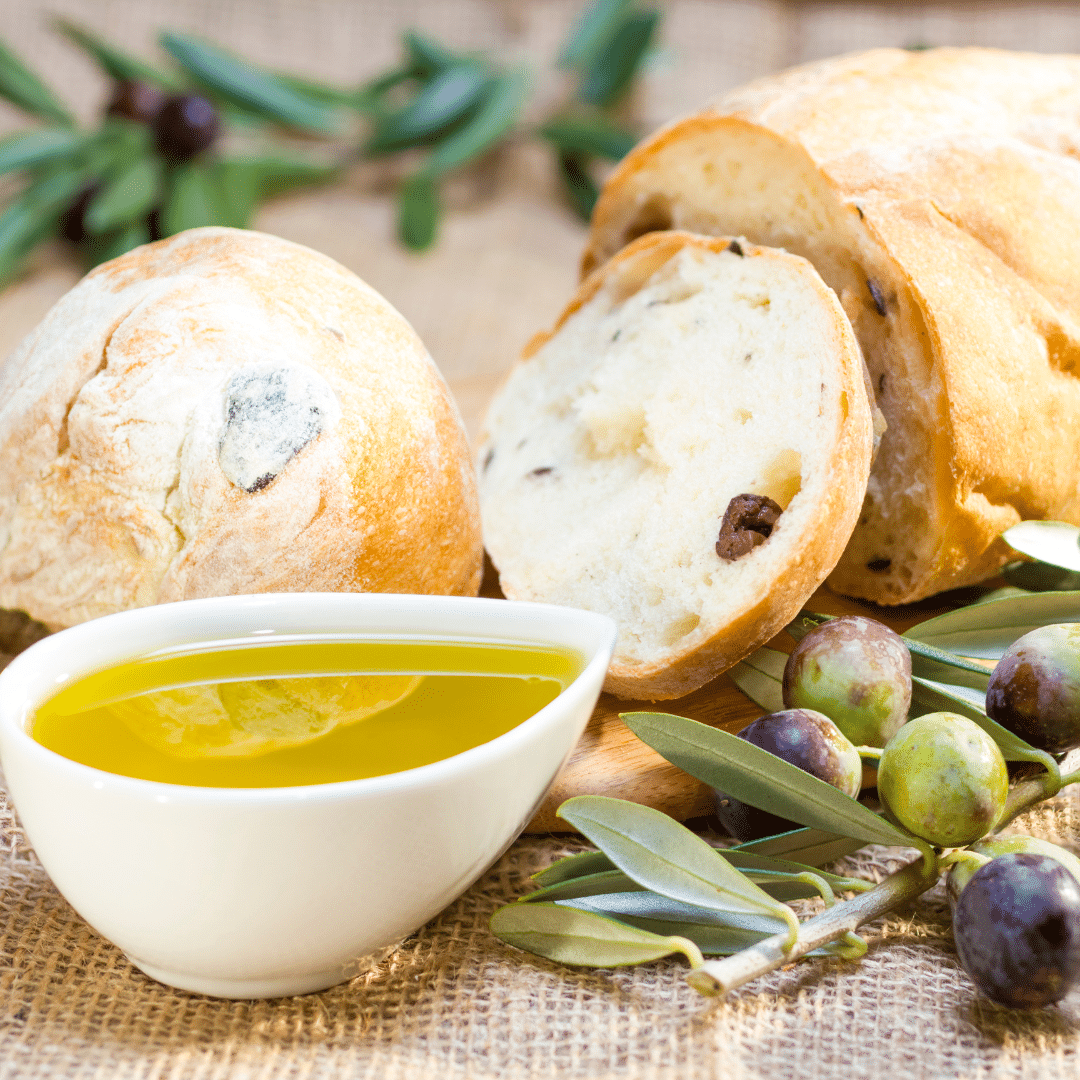 unrefined oil retains its natural flavors, antioxidants, and aromatic compounds that create depth in your dip.
Regular olive oil and light olive oil undergo processing that strips away the complex flavors you want in bread dip. These refined oils taste neutral and won’t provide the peppery, fruity notes that make dipping memorable.
Virgin olive oil offers a middle ground but lacks the intensity of extra virgin. The “extra virgin” designation means the oil comes from the first cold pressing of olives without chemical processing.
Your bread dip needs oils with personality. Extra virgin varieties deliver the robust flavors that complement crusty bread and hold up against added seasonings and spices. For a more traditional flavor you can shop one of our fresh EVOO varietals.
Quality Indicators
Fresh olive oil makes the difference between good and exceptional bread dip. Check harvest dates rather than expiration dates – oils lose flavor within 18-24 months of pressing. This is why we get shipments of EVOO from all over the world. Harvest times vary in different countries so we are always able to offer fresh, high quality olive oil no matter what time of year it is.
Color doesn’t indicate quality, but aroma does. Quality oils smell fresh, fruity, or grassy without musty or rancid notes.
Quality Sign | What to Look For |
Bottle | Dark glass or tin containers |
Date | Recent harvest date listed |
Certification | PDO, PGI, or organic labels |
Price | Higher cost often indicates quality |
If you’ve never been to an olive oil tasting before we highly recommend you stop by our store in Louisville, KY. We’re more than happy to pour you a taste right from our fustis and teach you how to appreciate the difference between a grassy olive oil or one with a more peppery finish. Tastings are always free!
Remember to always store your oil in cool, dark places away from heat sources. Light and temperature fluctuations degrade oil quality rapidly.
Bread Pairings for Olive Oil Dip
The right bread transforms a simple olive oil dip into an exceptional yet easy appetizer recipe. Crusty artisan loaves with porous interiors absorb flavors best, while gluten-free options provide delicious alternatives for dietary restrictions.
Best Types of Bread
Sourdough stands out as the top choice for olive oil dipping. Its tangy flavor complements herb-infused oils perfectly, while the chewy crust and airy interior create ideal texture contrast.
Ciabatta offers excellent oil absorption thanks to its large holes and crispy exterior. The mild wheat flavor won’t overpower delicate olive oil notes.
Focaccia bread works exceptionally well for dipping due to its soft texture and herb-friendly profile. Choose plain varieties to avoid competing flavors.
French baguettes provide satisfying crunch and neutral taste. Slice them diagonally for better dipping surface area.
Rustic country loaves with thick crusts hold up well to generous oil portions. Their dense crumb structure prevents sogginess during extended dipping sessions.
Gluten-Free Alternatives
Gluten-free sourdough delivers similar tangy notes to traditional versions. Look for brands with sturdy crusts that won’t crumble when dipped.
Rice-based artisan breads offer neutral flavors that showcase your olive oil blend. Their firmer texture handles oil absorption well.
Almond flour focaccia provides nutty undertones that pair beautifully with herbed oils. The dense structure prevents breaking during dipping.
Gluten-free baguettes work when sliced thick enough to maintain structural integrity. Toast lightly for added stability and crunch.
Serving Tips
Temperature matters significantly for optimal dipping. Serve bread slightly warm to enhance oil absorption and aroma release.
Cut bread into 2-3 inch pieces for comfortable handling. Avoid thin slices that break easily under oil weight.
Provide small plates for individual portions to prevent double-dipping. This keeps your olive oil mixture fresh throughout the meal.
Toast bread lightly if it seems too soft. A brief warming enhances texture without overwhelming delicate oil flavors.
Primo Oils carries spice mixes from Saratoga Spicery that make creating flavorful bread dips effortless. These pre-blended seasonings save time while ensuring consistent results.
Essential Ingredients Beyond Olive Oil
While olive oil forms the foundation of your bread dip, the magic happens when you add aromatic herbs, tangy acids, and rich toppings. These components transform simple oil into a restaurant-quality appetizer that rivals your favorite Italian dining experience.
Herbs and Spices
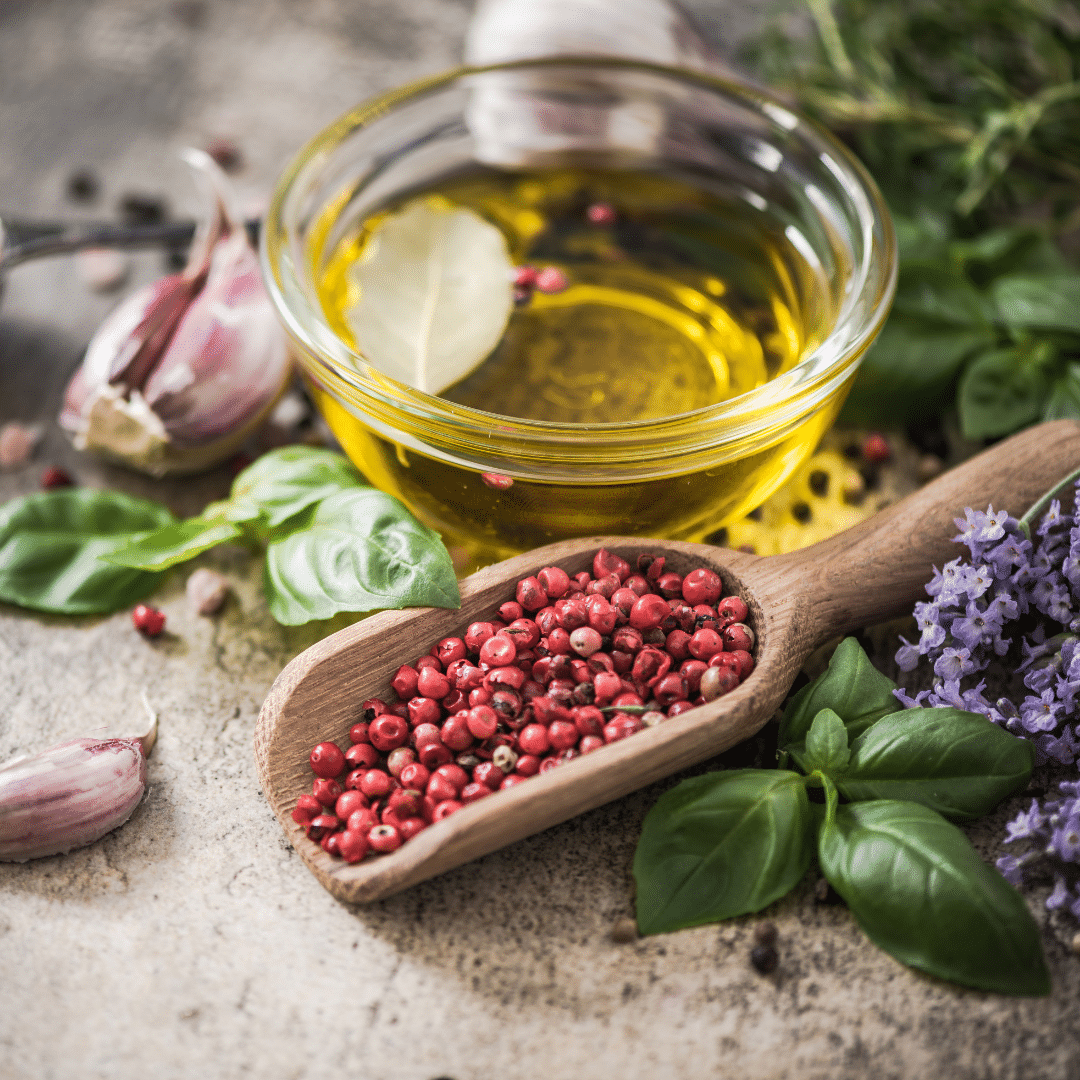 Fresh and dried herbs create the aromatic backbone of your dip. Oregano provides earthy Mediterranean flavor, while basil adds sweet, peppery notes that complement the olive oil perfectly.
Garlic stands as the most essential savory element. You can use fresh minced garlic for sharp intensity or garlic powder for milder flavor that distributes evenly throughout the oil.
Red pepper flakes bring controlled heat that enhances rather than overpowers other flavors. Start with a pinch and adjust according to your preference for spice.
Za’atar offers a unique twist with its blend of sumac, thyme, and sesame seeds. This Mediterranean spice mix adds complexity and tangy depth to traditional recipes.
Salt and black pepper form the foundation of seasoning. Use coarse sea salt for texture and freshly cracked pepper for the best flavor impact.
Primo Oils carries several spice mixes from Saratoga Spicery that make creating flavorful bread dips effortless with perfectly balanced herb combinations.
Acidic Components
Acidic ingredients brighten the rich olive oil and create flavor balance. Balsamic vinegar is the most popular choice, offering sweet-tart complexity that enhances all other flavors.
Start with 1-2 tablespoons of balsamic vinegar per half cup of olive oil. The acidity cuts through the oil’s richness while adding depth and sophistication to each bite.
Lemon juice provides a lighter, more citrusy alternative to balsamic vinegar. Fresh lemon juice works better than bottled versions for bright, clean flavor.
Red wine vinegar offers sharper acidity than balsamic without the sweetness. This creates a more traditional Italian flavor profile that pairs excellently with crusty bread.
Cheese and Toppings
Parmesan cheese adds umami richness and salty depth to your dip. Use freshly grated Parmigiano-Reggiano for the best flavor and texture rather than pre-grated options.
Sprinkle 2-3 tablespoons of grated Parmesan directly into the oil mixture. The cheese will soften slightly and create savory pockets of flavor throughout the dip.
Kalamata olives or other Mediterranean olives provide briny bursts of flavor and interesting texture contrast. Chop them roughly to distribute evenly while maintaining some chunky pieces.
Sun-dried tomatoes contribute sweet-tart flavor and chewy texture. Use oil-packed varieties and chop them into small pieces for easy dipping and flavor distribution.
Pine nuts offer buttery crunch and rich flavor that complements the Mediterranean herb profile perfectly.
How to Make Classic Olive Oil Bread Dip
Making classic olive oil bread dip requires just a few quality ingredients and takes less than five minutes to prepare. The key is balancing the olive oil with herbs, spices, and acid while serving it at the right temperature with proper bread.
Step-by-Step Instructions
Start with 1/2 cup high-quality extra virgin olive oil as your base. Pour it into a shallow dish or small bowl that’s wide enough for dipping bread.
Add 1-2 cloves minced fresh garlic directly to the oil. Fresh garlic provides the most flavor, but you can substitute 1/2 teaspoon garlic powder if needed.
Season the mixture with 1/2 teaspoon dried oregano, 1/2 teaspoon dried basil, 1/4 teaspoon red pepper flakes, and salt and black pepper to taste. This Italian restaurant-style combination creates the classic flavor profile most people recognize.
Drizzle in 1-2 tablespoons balsamic vinegar around the edges of the oil. Don’t mix it completely – the marbled effect looks appealing and allows people to control how much vinegar they get with each bite.
Let the mixture sit for 10-15 minutes before serving. This resting time allows the flavors to meld and the garlic to infuse the oil. Primo Oils carries several spice mixes from Saratoga Spicery that make preparation even easier if you prefer a pre-blended option.
Tips for Balancing Flavors
Taste as you go when adding seasonings. Start with smaller amounts and build up to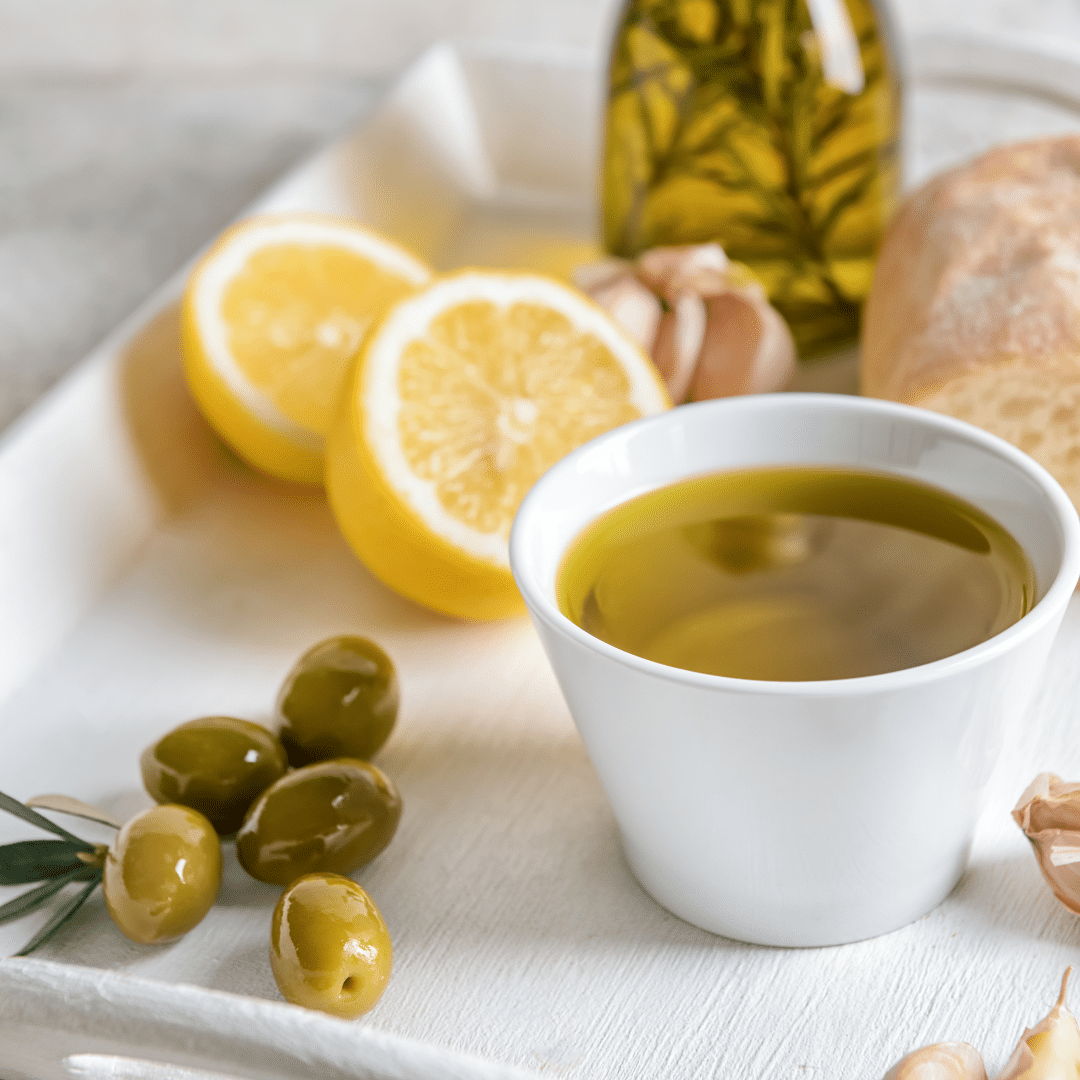 your preference, especially with garlic and red pepper flakes.
The olive oil quality matters most. Choose a fruity, peppery extra virgin olive oil that you’d enjoy on its own. Poor quality oil will make the entire dip taste flat.
Adjust the acidity by varying the balsamic vinegar amount. Some people prefer just a few drops while others like a more pronounced tangy flavor. You can also substitute white wine vinegar or lemon juice.
Fresh herbs work better than dried when available. Use 1 tablespoon fresh oregano or basil instead of 1/2 teaspoon dried. Add fresh herbs just before serving to prevent browning.
Salt enhances everything. A pinch of coarse sea salt or kosher salt brings out the other flavors and adds texture. Avoid table salt which can taste harsh in this application.
Serving Suggestions
Warm crusty bread works best for dipping. Italian bread, ciabatta, or baguette slices provide the right texture and won’t fall apart in the oil. Warm bread absorbs flavors better than room temperature bread.
Heat the bread briefly in a 350°F oven for 5-7 minutes before serving. This creates a slightly crispy exterior while keeping the interior soft.
Serve immediately after preparing for the freshest taste. The dip stays good for 2-3 hours at room temperature but loses its bright flavors over time.
Provide small spoons so guests can drizzle extra dip on their bread or mix the separated ingredients. Some people prefer their oil and vinegar combined while others like them separate.
Pair with wine for an authentic Italian experience. A light red wine like Chianti or a crisp white wine complements the herb and garlic flavors perfectly.
Creative Olive Oil Bread Dip Variations
Transform your basic olive oil bread dip into exciting flavor combinations using spices, herbs, and Mediterranean ingredients. These variations range from fiery heat to aromatic herb blends that elevate any easy appetizer recipes.
Spicy Recipes
Red pepper flakes form the foundation of most spicy olive oil dips. Start with 1/4 teaspoon per 1/3 cup olive oil and adjust to taste.
Crushed chili peppers add deeper heat than standard red pepper flakes. Mix them with garlic powder and black pepper for a bold, herby dip that delivers immediate warmth.
Spicy Blend Options:
- Cayenne pepper with smoked paprika
- Chipotle powder for smoky heat
- Fresh minced jalapeños with lime zest
- Hot sauce mixed directly into the oil
- Swap out your traditional EVOO for an infused oil with some kick
Za’atar spice blend brings Middle Eastern heat with its tangy sumac and thyme combination. This creates an explosion of Mediterranean flavors when paired with olive oil.
Primo Oils carries spice mixes from Saratoga Spicery that make creating spicy variations effortless. These pre-blended seasonings eliminate guesswork while creating somewhat of a restaurant style bread dip.
Herb-Infused Dips
Fresh herbs create more vibrant flavors than dried versions. Basil, oregano, and thyme work best when finely chopped and mixed into room temperature olive oil.
Dried herbs need time to bloom in the oil. Let your mixture sit for 30 minutes before serving to develop full flavor intensity.
Popular Herb Combinations:
- Italian blend: oregano, basil, rosemary, thyme
- Provence mix: lavender, rosemary, marjoram
- Garden fresh: parsley, chives, dill
Garlic enhances any herb mixture. Use fresh minced garlic for sharp bite or roasted garlic for mellow sweetness. One clove per 1/3 cup oil provides balanced flavor.
Herbaceous oregano and za’atar pair excellently with savory garlic and parmesan cheese. This combination delivers complex layers without overwhelming the olive oil base.
Mediterranean Style
Balsamic vinegar creates the classic Mediterranean pairing with olive oil. Use aged balsamic for sweetness or regular balsamic reduced by half for concentrated tang.
Sun-dried tomatoes add chewy texture and intense flavor. Chop them finely and let them soften in the oil for 15 minutes before serving.
Mediterranean Ingredients:
- Kalamata olives, chopped
- Feta cheese crumbles
- Pine nuts, toasted
- Lemon zest and juice
Aromatic herbs and tangy balsamic create an elegant dipping experience. The combination works for both casual gatherings and formal dinner parties.
Capers provide briny pops of flavor that complement the oil’s richness. Rinse them before adding to reduce excess saltiness.
Vegan and Dairy-Free Ideas
Nutritional yeast replaces parmesan cheese while adding umami depth. Use 2 tablespoons per 1/3 cup olive oil for cheesy flavor without dairy.
Tahini creates creamy texture in vegan dips. Whisk 1 tablespoon into your olive oil blend for Middle Eastern richness.
Plant-Based Additions:
- Hemp hearts for nutty crunch
- Cashew cream for richness
- Miso paste for umami
- Coconut aminos instead of worcestershire
Fresh lemon juice brightens any vegan combination. Add it last to prevent the acid from breaking down other ingredients.
Roasted vegetables like red peppers or eggplant can be pureed into the oil base. This creates substantial dips that work as spreads too.
Presentation and Garnishing Ideas
The visual appeal of your olive oil bread dip can transform a simple appetizer into an impressive centerpiece. Strategic plating, thoughtful garnishes, and complementary pairings elevate both the appearance and dining experience.
Plating Techniques
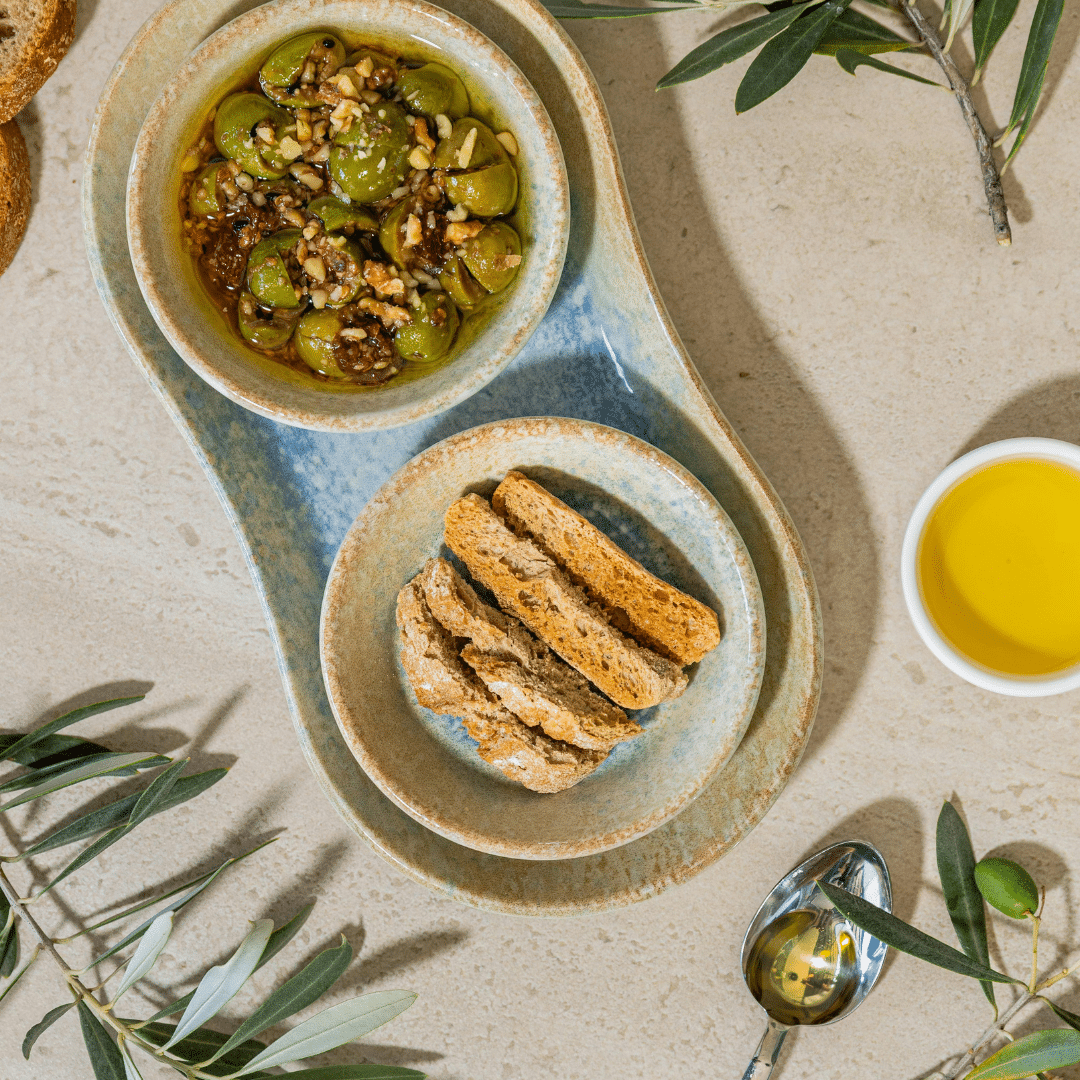 Choose a shallow, wide bowl or small plate to showcase your dip’s golden color and herb distribution. White or neutral-colored dishes create the best contrast against the rich olive oil.
Pour your dip into the center of the plate, then use the back of a spoon to create gentle swirls or shallow wells. This technique allows the oil to pool attractively and creates natural spaces for additional garnishes.
Small individual dishes work well for intimate gatherings, while larger shared plates suit family-style dining. Consider using ceramic ramekins, small cast iron skillets, or rustic wooden boards for different aesthetic effects.
Arrange bread pieces around the perimeter of the plate, slightly overlapping for visual interest. Warm bread should be served in a separate basket lined with cloth napkins to maintain temperature and texture.
Edible Garnishes
Fresh herbs provide vibrant color and aromatic appeal. Sprinkle chopped fresh basil, oregano, or rosemary directly onto the oil surface. These herbs complement the herb and olive oil bread dip flavors.
Grated Parmesan cheese adds both visual texture and savory depth. Use a microplane grater for fine, snow-like consistency that dissolves slightly into the warm oil.
Red pepper flakes create appealing color contrast and hint at the dip’s spice level. Sprinkle sparingly for visual accent or more generously for heat lovers.
Consider these finishing touches:
- Lemon zest for bright citrus notes
- Toasted pine nuts for crunch and richness
- Sun-dried tomato pieces for Mediterranean flair
- Cracked black pepper for classic appeal
Pairing with Appetizers
Your olive oil bread dip works beautifully as part of a larger appetizer spread. Position it alongside complementary flavors that won’t compete with its herbal profile.
Cheese selections like fresh mozzarella, aged cheddar, or goat cheese provide creamy contrast to the oil’s richness. Arrange on a separate section of your serving board.
Include fresh vegetables such as cherry tomatoes, cucumber slices, or bell pepper strips. These add crunch and help cleanse the palate between bread dips.
Cured meats like prosciutto, salami, or bresaola create a complete antipasto experience. The salt content balances the olive oil’s smooth texture perfectly.
Storing and Reusing Olive Oil Bread Dip
Proper storage keeps your olive oil bread dip fresh for up to two weeks, while creative repurposing transforms leftovers into flavorful cooking ingredients for multiple dishes.
Safe Storage Practices
Store your olive oil bread dip in an airtight container in the refrigerator immediately after serving. Fresh garlic requires refrigeration to prevent spoilage, making room temperature storage unsafe for dips containing raw garlic.
Use glass containers or food-safe plastic containers with tight-fitting lids. Metal containers can react with acidic ingredients like vinegar or lemon juice in your dip.
Label your container with the preparation date to track freshness. Keep the dip away from strong-smelling foods in your refrigerator since olive oil absorbs odors easily.
Temperature Guidelines:
- Storage: 35-40°F in refrigerator
- Serving: Room temperature for best flavor
- Warming: 15-20 minutes before serving
Allow the dip to come to room temperature before serving, as cold olive oil becomes thick and less flavorful. Give it a gentle whisk before serving to redistribute any separated ingredients.
How Long Does It Last?
Olive oil bread dip stays fresh for up to 2 weeks when properly refrigerated. Dips made with fresh garlic have shorter lifespans than those using dried seasonings.
Check for signs of spoilage before each use. Fresh garlic can develop an off smell or bitter taste when it begins to deteriorate.
Freshness Indicators:
- Fresh: Pleasant herb and garlic aroma
- Questionable: Muted flavors, oil separation
- Spoiled: Sour smell, bitter taste, mold
Dips containing fresh herbs like basil or parsley may darken after 3-4 days but remain safe to eat. Add a thin layer of olive oil on top to minimize oxidation and color changes.
Freeze portions in ice cube trays for longer storage up to 3 months. Thaw overnight in the refrigerator and whisk before using.
Health Benefits of Olive Oil Bread Dip
Olive oil bread dip offers significant nutritional advantages through its heart-healthy monounsaturated fats and antioxidant-rich ingredients. You can easily modify traditional recipes to align with various dietary needs while maintaining the Mediterranean flavors.
Nutritional Value
Dipping bread in olive oil provides heart-healthy benefits primarily through monounsaturated fats that support cardiovascular health. Extra virgin olive oil contains vitamin E, polyphenols, and antioxidants that help reduce inflammation in your body.
The garlic commonly added to olive oil dips delivers allicin, a compound known for its antimicrobial and immune-supporting properties. Fresh herbs like oregano, basil, and rosemary contribute additional antioxidants and minerals including iron and calcium.
Key nutrients per serving:
- Monounsaturated fats: 8-10 grams
- Vitamin E: 10-15% daily value
- Polyphenols: Varies by olive oil quality
- Minimal sodium (unless added)
Quality olive oil ingredients have been linked to improved blood pressure control and better digestive health. The combination creates a nutrient-dense appetizer that’s far superior to processed dips or butter-based alternatives.
Diet-Friendly Modifications
 You can adapt olive oil bread dip for various dietary restrictions without sacrificing flavor. For low-sodium diets, skip added salt and rely on herbs, garlic, and high-quality olive oil for taste enhancement.
Keto and low-carb adaptations:
- Serve with cucumber slices or bell pepper strips
- Use pork rinds or cheese crisps as dippers
- Add extra herbs to increase flavor without carbs
For gluten-free needs, pair your dip with gluten-free bread varieties or vegetable alternatives. Vegan dieters can enjoy this as-is, since traditional bread dipping oil recipes contain no animal products.
Primo Oils carries several spice mixes from Saratoga Spicery that make creating flavorful, diet-friendly variations simple. And you can also shop online to pick up an infused olive oil or fresh varietal. You can control ingredients completely when making homemade versions, ensuring they meet your specific nutritional requirements while maintaining authentic Mediterranean taste profiles.
We’d love to help you shop in person with a free tasting in our store right here in Louisville, KY or you can shop online on our website. Either way we hope you enjoy your olive oil bread dip and share with friends and family!
As always, to your health!