Love balsamic vinegar and want to use it more creatively in your kitchen? There are plenty of uses for balsamic vinegar beyond simply drizzling it over a salad.
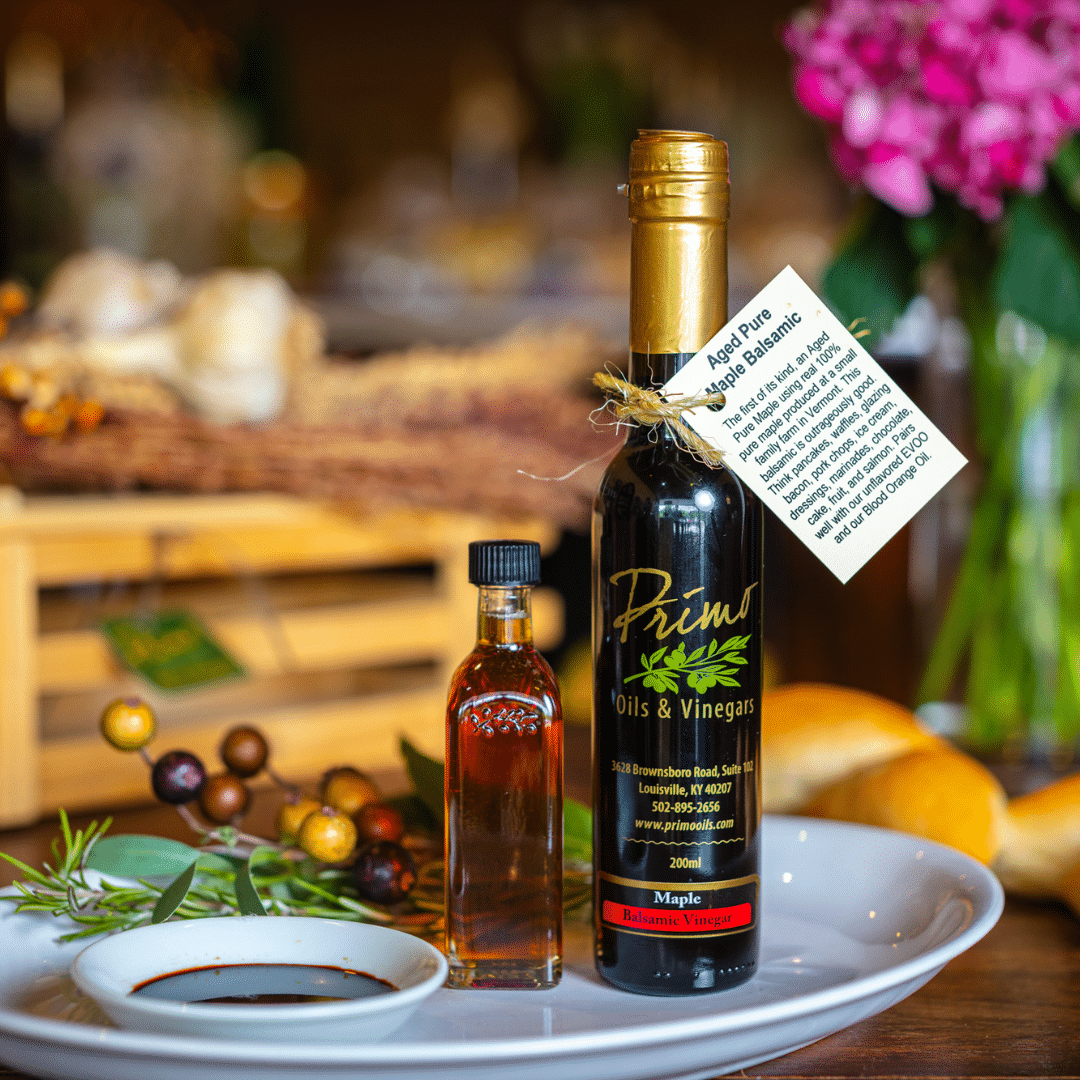
As Kentucky’s top gourmet olive oil and vinegar shop,Primo Oils knows how to unlock the best of balsamic vinegar; we’re foodies at heart! We’ve experimented with it in everything from savory marinades to sweet desserts, and we’re always discovering more.
In this post, we’re sharing several of our favorite ways to enjoy it every day. Here are 18 of the most creative ways to use balsamic vinegar in your own kitchen.
Note: Every balsamic vinegar mentioned here is available in our farmers’ market stalls. You can alsoshop online to explore our full collection.
18 Ways to Use Balsamic Vinegar
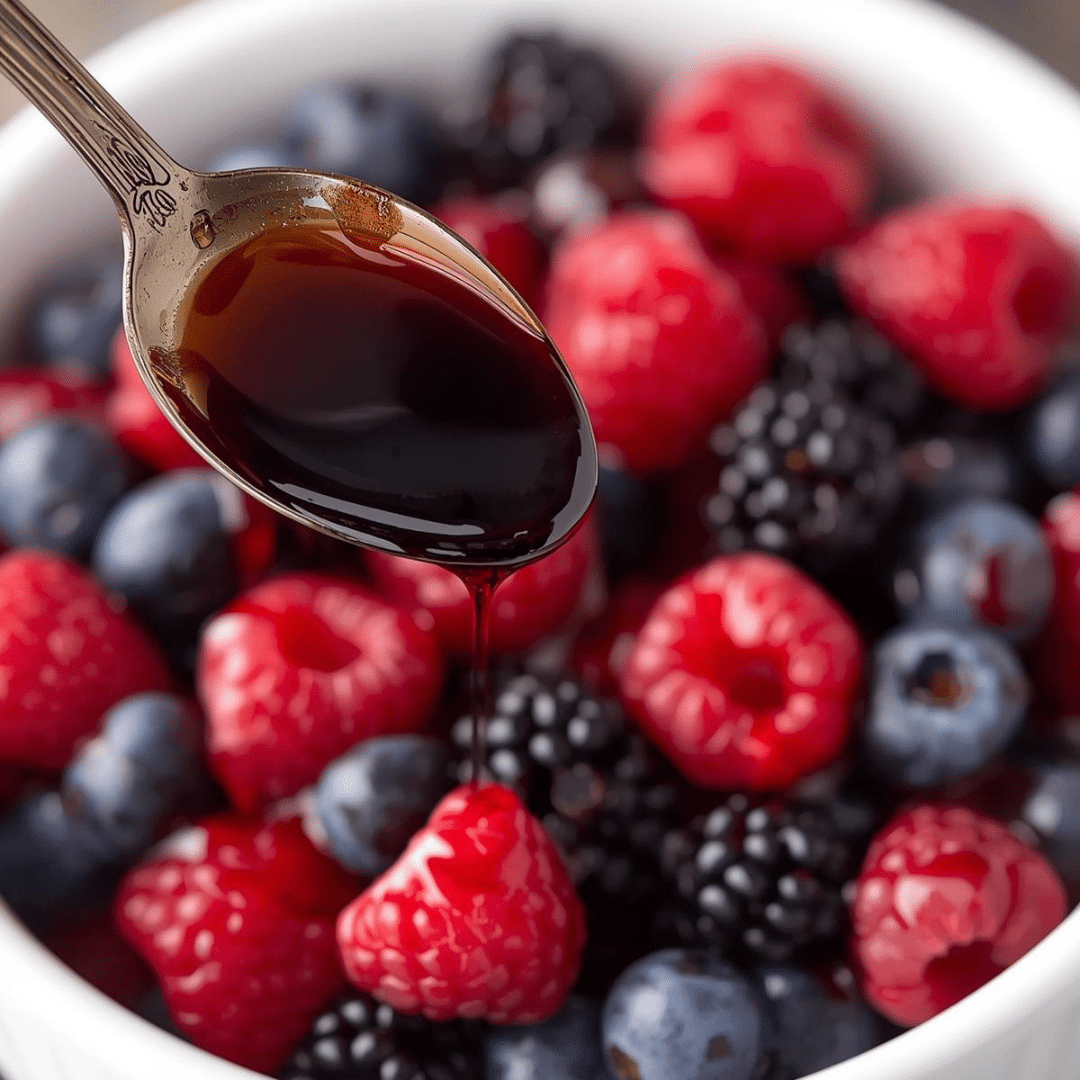
1. Splash over fresh berries
This is one of our favorite balsamic vinegar uses because it’s so easy and instantly rewarding. Drizzle a spoonful over strawberries, blueberries, or mixed fruit. The vinegar’s natural sweetness and acidity bring out the berries’ flavor while adding a subtle tang.
Let the fruit sit for a few minutes so the vinegar soaks in and slightly softens the texture. Serve as-is, or top with whipped cream or Greek yogurt. We like pairing it with sweet fruit balsamics like strawberry or pomegranate to further elevate the natural juiciness of the berries.
2. Stir into a sweet sauce served with pork
One of the best uses of balsamic vinegar is adding it to a sweet sauce for pork to bring out a deeper, more balanced flavor. The vinegar’s acidity cuts through the richness and helps caramelize the glaze. It’s an easy way to make a simple dish taste better, healthier, and more “gourmet” without much effort.
Start with fruit preserves, honey, or brown sugar, then whisk in balsamic vinegar until smooth. Simmer the sauce until it thickens slightly before brushing it on roasted or grilled pork.
Pork naturally has sweet undertones, so you can experiment with fruity balsamics like apple, cherry, apricot, or maple to match those flavors. These combinations create the foundation for a great signature glaze for your next holiday dinner!
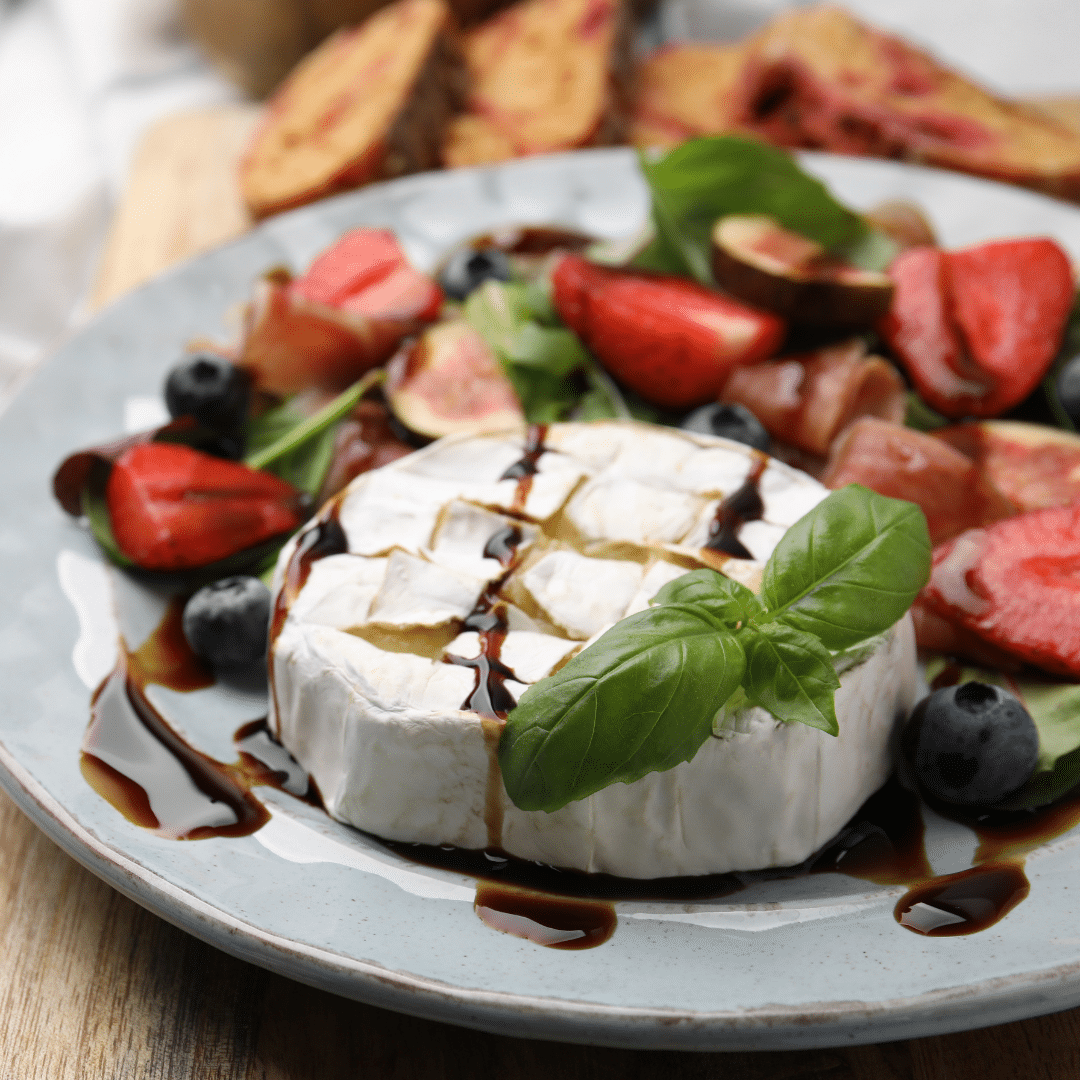
3. Pour over brie
Warm brie topped with balsamic vinegar makes an easy, elegant appetizer. The vinegar adds sweetness and depth that balance the creaminess of the cheese. It’s simple enough for a snack, yet refined enough for a charcuterie board.
To serve, heat the brie until just softened, then drizzle with your favorite balsamic vinegar. Add crushed nuts, sliced fruit, or a drizzle of honey for texture and contrast. You can use any fruit-infused vinegar, but we love pairing it with a little kick.
Salad dressing is one of the most classic uses of balsamic vinegar, but it doesn’t have to be boring. A simple vinaigrette made with balsamic vinegar and olive oil can taste fresh and exciting.
Best of all, it works with almost any salad base, from spinach to mixed greens or crisp romaine. This means you can create dozens of combinations with just a few bottles of balsamic and olive oil.
To start, mix a 3:1 ratio of olive oil to balsamic vinegar. Add salt, pepper, and a small spoonful of mustard or honey for balance. Toss just before serving so the greens stay crisp and lightly coated. And voila! A simple, healthy, and delicious salad right in front of you.
If you want to mix it up, try one of our salad dressing recipes using a garlic, citrus, or herb balsamic.
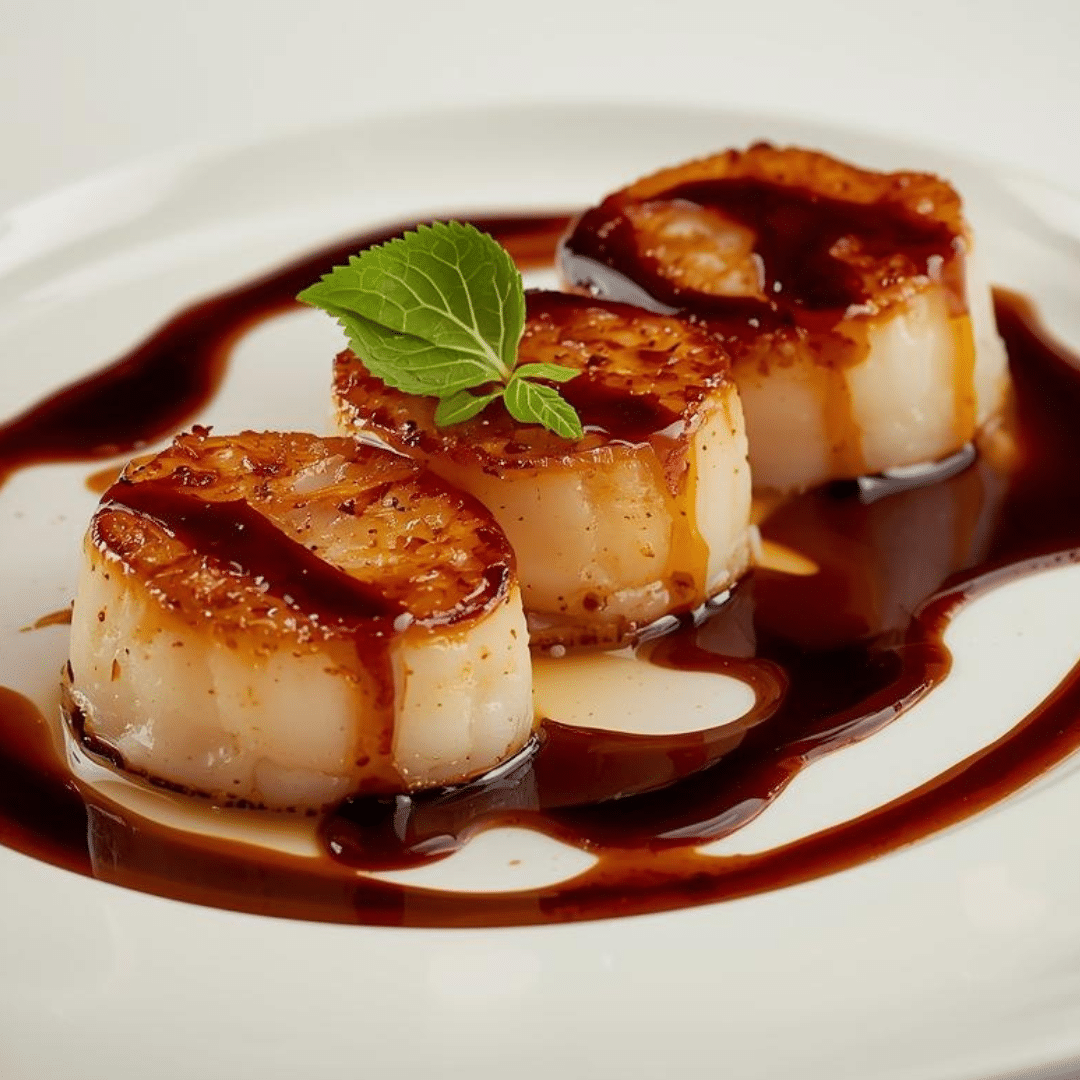
5. Scallops with balsamic glaze
Seared scallops with balsamic glaze are a heavenly pairing that takes only minutes to make. This recipe from the Epicurean combines the sweetness of the scallops with the savory richness of thinly sliced prosciutto or ham.
We recommend using a white balsamic, like our Serrano Honey White or Mango White Balsamic, as these add brightness without overpowering the dish. Dark balsamics can be a bit too intense for seafood.
Adding the balsamic results in a beautiful glaze that adds sweetness and acidity to complement the delicate flavor of the scallops. It also gives the dish a glossy finish, perfect for special occasions.
6. Make a balsamic vinegar marinade
A good marinade can tenderize almost any protein, and balsamic vinegar is one of the best bases to start with. Its acidity helps break down the meat while adding a rich, slightly sweet flavor. It works beautifully with chicken, pork, beef, and even roasted vegetables.
Combine balsamic vinegar with olive oil, minced garlic, herbs, and a touch of honey or mustard for balance. Let the mixture rest for a few minutes before adding your chosen protein. Marinate for at least 30 minutes (or longer) if you want a deeper, more complex flavor.
We also have detailed guides on how to make the perfect marinade alongside olive oil. This resource shares practical ideas and recipes to help you experiment with new flavors in your next meal.
7. Drizzle over any ice cream or gelato
Balsamic vinegar may not be the first thing that comes to mind for dessert, but it surprisingly pairs well with ice cream or gelato. Specifically, with fruit-flavored or vanilla-based balsamic varieties that enhance the sweetness without overpowering it.
The balsamic vinegar uses its natural sweetness and acidity to cut through the creamy richness, adding an unexpected layer of flavor. It’s a simple way to turn something familiar into something new and sophisticated.
We like using the same flavored balsamic as the ice cream itself. Try drizzling a little on top and wait a few seconds for it to meld with the cold surface. Each bite delivers a creamy, sweet texture with a gentle tang of acidity. It’s a surprisingly delightful treat for hot summer days.
Tossing balsamic vinegar into pasta is an easy way to add depth without using a heavy sauce. The vinegar adds brightness that balances the olive oil and herbs, creating a light but flavorful meal.
Cook pasta until al dente, then drain and toss with olive oil, garlic, and a few splashes of any balsamic vinegar on hand. Add fresh herbs, salt, and pepper to taste. A bit of shaved Parmesan brings it all together.
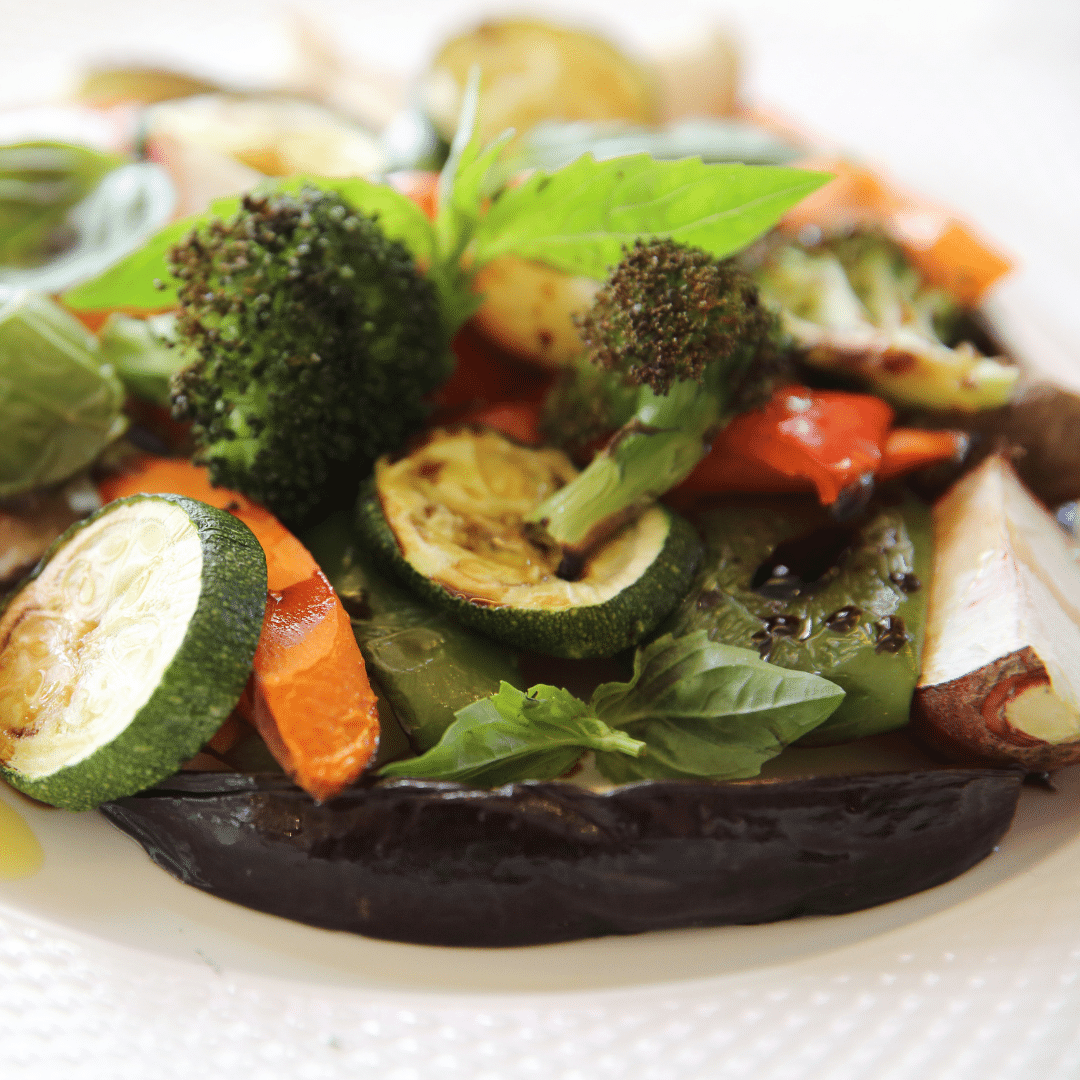
9. Sprinkle over crisp grilled vegetables
This is one of our favorite uses of balsamic vinegar. Grilled vegetables always taste better with a finishing touch, and this is a simple way to make that happen! The balsamic’s acidity balances the smoky, charred flavors from grilling while adding subtle sweetness. It also enhances color and aroma.
Once your vegetables come off the grill, drizzle lightly with your choice of balsamic vinegar while they’re still warm. The heat helps absorb the flavor, creating a light glaze on the surface. You can use it on zucchini, bell peppers, eggplant, or asparagus for a quick flavor boost.
We recommend trying garlic, fig, or roasted onion balsamic from our online shop. They pair perfectly with grilled vegetables and even make these simple side dishes taste special.
10. Add depth to soups or stews
If you’re planning to cook tomato-based recipes or slow-cooked meats in the future, we recommend picking up a few bottles of balsamic vinegar. A small splash of our flavored balsamic is enough to completely transform the flavor of your usual soups or stews.
Good options include herb, maple, or black cherry balsamic. They add depth and nuance to traditional recipes without the need for extra seasoning. The balsamic vinegar uses its acidity to help cut through heavier ingredients, balancing the overall flavor without overpowering the dish.
Primo Tip: Add the vinegar near the end of cooking so it keeps its freshness and complexity. Stir it in gently, taste, and adjust only as needed. Even a teaspoon or two can make a noticeable difference.
11. Balsamic vinegar potatoes
Potatoes and balsamic vinegar are a natural pairing. The vinegar’s acidity complements the starchiness of potatoes, adding both flavor and color when roasted or smashed. For us, it turns an everyday side dish into something more memorable.
Try our balsamic smashed potatoes for a crisp, tangy take on a classic recipe. The vinegar caramelizes beautifully in the oven, creating a flavorful crust while keeping the inside soft.
12. Mix into a cocktail or mocktail
Like desserts, mixing balsamic vinegar can surprisingly elevate your mocktails and cocktails. Your choice of balsamic can introduce a mild sweetness and acidity that pairs beautifully with fruit-based beverages.
Try adding a splash of fruit-flavored balsamic such as peach, raspberry, or pomegranate to soda water, tonic, or sparkling wine. The result is a refreshingly bright drink with a tangy twist that could easily be the talk of the party.
At Primo, we love using these balsamics in our summer shrubs. They add a subtle complexity to the drink without overpowering it. Give it a try and see how a touch of balsamic can completely change (for the better) your favorite refreshers.
13. Brush on pizza crusts after baking
One of the lesser-known uses of balsamic vinegar is adding it to pizza. Yes, you heard that right.
While olive oil is the staple for brushing on pizza crusts, you can also use your favorite balsamic to add a touch of tang and aroma. So it’s definitely not a pizza crime to try it out! You can also use it on flatbreads and calzones just as well.
Brush or drizzle the vinegar along the edges while the crust is still hot. The residual heat softens the glaze and enhances the toasty flavor of the bread. It pairs especially well with pizzas topped with greens, prosciutto, or fresh mozzarella.
However, we recommend adding balsamic strictly to the crust only. We found that it doesn’t blend as well when used over a tomato-based sauce, as the acidity can overpower the rest of the flavors.
14. Enhance roasted nuts
Roasted nuts become even more flavorful when finished with balsamic vinegar. The vinegar adds a touch of sweetness and acidity that balances the natural richness of pecans, almonds, or walnuts.
Try tossing warm roasted nuts with a small amount of balsamic vinegar, preferably a sweet-flavored one like our maple syrup balsamic. Spread them on parchment paper and let them cool until crisp. The result is a sweet and savory snack that’s perfect for gifting or charcuterie boards.
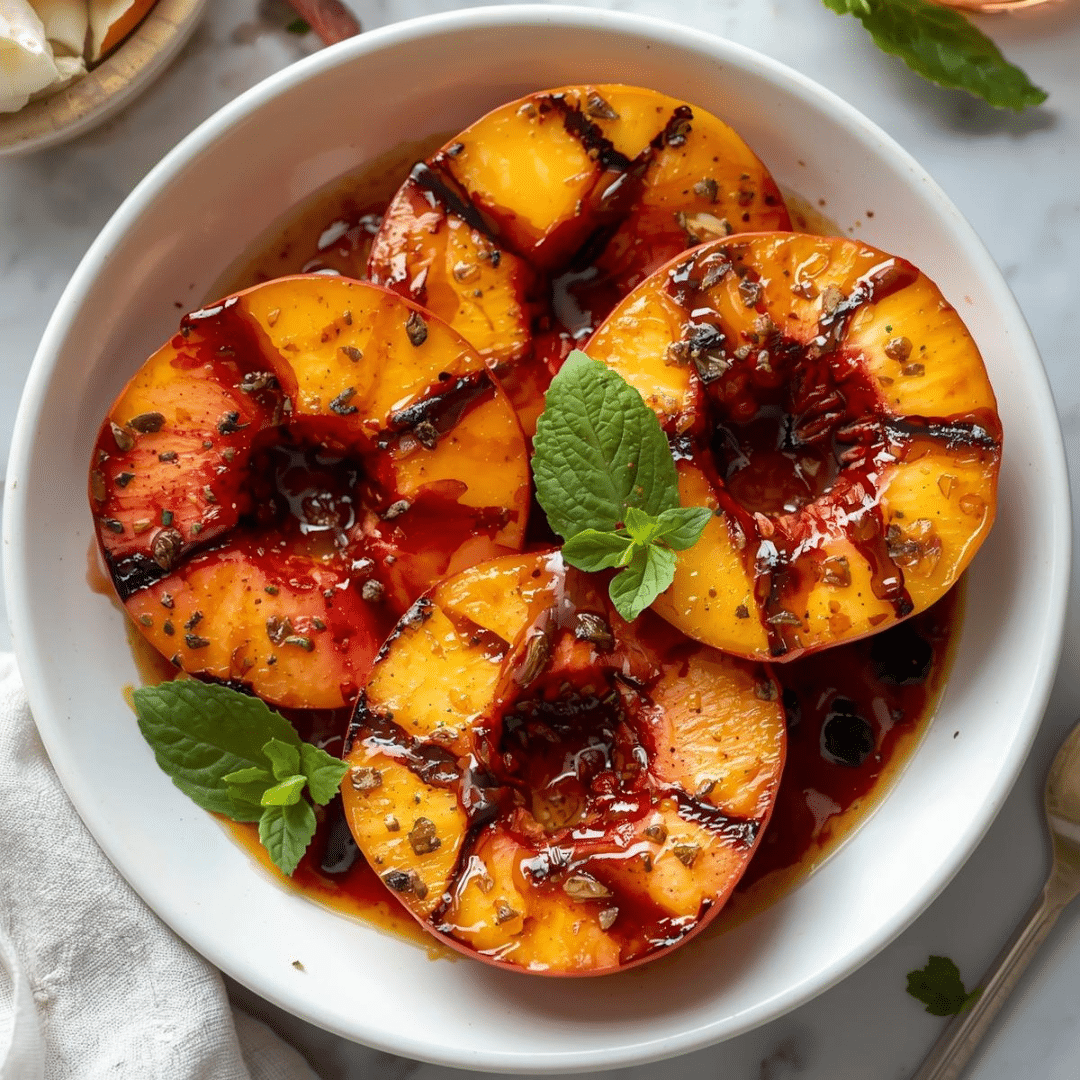
15. Finish off grilled peaches or nectarines
Grilled fruit and balsamic vinegar make a surprisingly delicious combination. The heat caramelizes the fruit’s sugars, while the vinegar adds brightness to keep them balanced. It’s an easy way to whip up a refreshing summer dish.
Our Neapolitan herb balsamic vinegar uses the sweet smokiness of grilled peaches, melted mozzarella, and fresh basil to create a killer appetizer or dessert. Try this simple recipe by following the steps below:
Slice peaches or nectarines in half, brush lightly with oil, and grill until softened and marked. Drizzle with our herb balsamic just before serving to add contrast and shine. You can serve them alone, over ice cream, or with whipped cream.
16. Drizzle on avocado toast
The simple morning avocado toast gets an easy upgrade with just a splash of your favorite balsamic. The vinegar cuts through the creaminess of the avocado and adds a gentle tang and sweetness with every bite.
To enjoy this recipe, season your mashed avocados with salt and pepper, then spread them over a piece of toasted bread. Add a drizzle of lemon balsamic right before serving for a bright, refreshing finish.
You can also top it with cherry tomatoes, crumbled feta, or a poached egg for extra texture and flavor. It’s a quick, delicious way to make breakfast feel just a little more special.
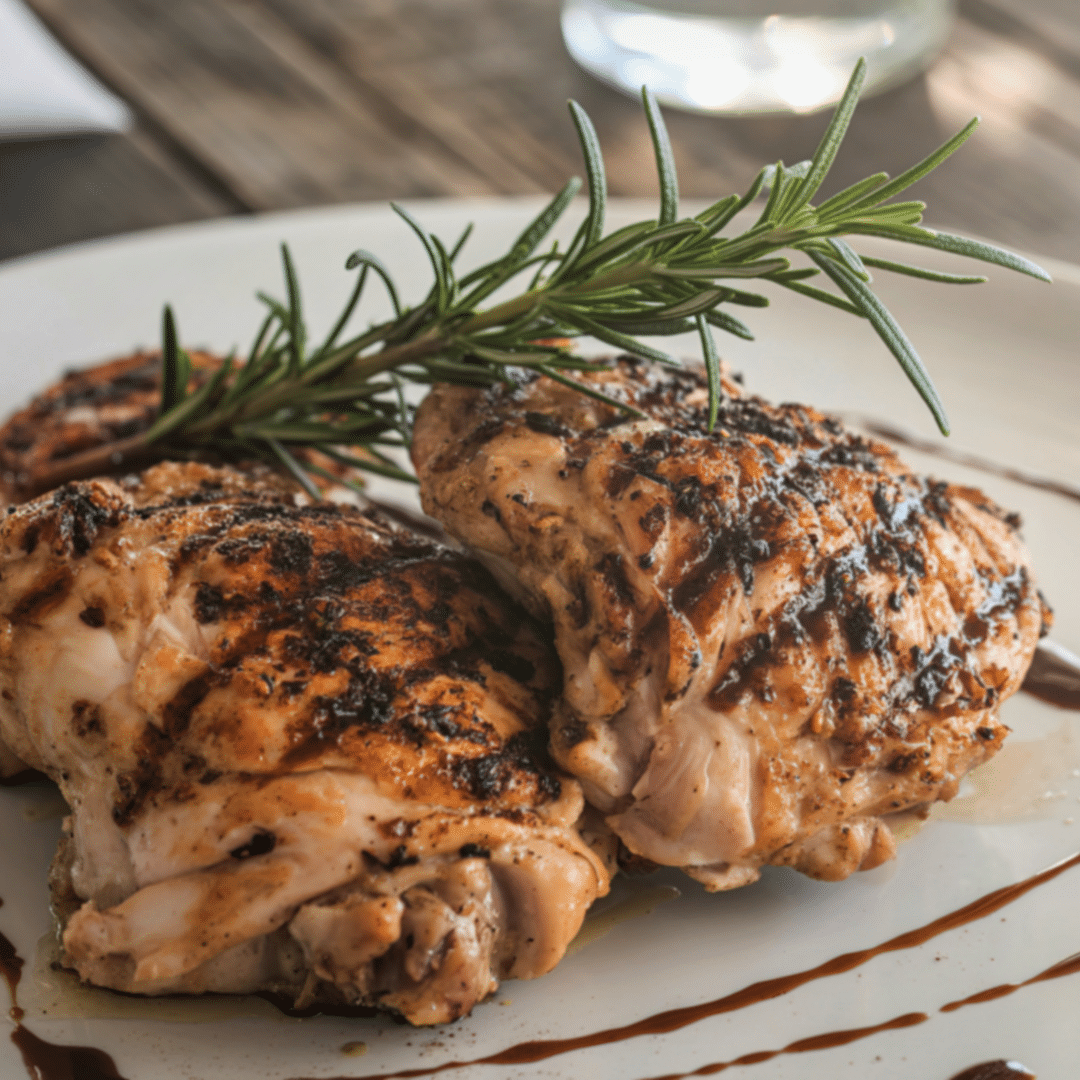
17. Balsamic vinegar chicken recipe
This is arguably one of the most popular and effective ways to use balsamic vinegar because it enhances both the flavor and tenderness of chicken. The acidity helps break down the meat while adding a gentle sweetness that makes every bite more satisfying.
For starters, try marinating chicken in balsamic vinegar, olive oil, herbs, and garlic for at least 30 minutes. You can grill, roast, or sauté it depending on your recipe. The vinegar adds depth and richness while keeping the meat juicy and flavorful.
We have a few chicken recipes involving our signature balsamic blends that you can use for inspiration:
Speaking of chicken, you can also add your favorite flavored balsamic to a brine. The vinegar helps the meat absorb flavor while keeping it tender and juicy during cooking. It’s a simple technique that delivers restaurant-quality results at home.
So, how to use balsamic vinegar for your brine mixture? Combine balsamic vinegar with water, salt, sugar, and your choice of herbs or aromatics. Let the chicken soak for several hours before cooking to maximize moisture retention. The finished meat will have a subtle sweetness and a gentle tang that enhances any recipe.
For recommendations, we often use Red Apple and Fig Balsamic, both of which add a warm, fruity depth to the flavor. If you’d like a more detailed guide, our “change-your-life” chicken brine recipe literally changed the way we prepare our chicken, and it might change yours, too!
Best Types of Balsamic Vinegar for Recipes
There are countless flavored balsamic vinegars on the market, and at Primo Oils, we proudly carry several dozen in stock. While this variety is exciting for seasoned food lovers like us, it can feel overwhelming if you’re just starting to explore the world of balsamic vinegar.
To help narrow your choices, we’ve selected one recommended balsamic vinegar for each main food category – appetizers, salads, main dishes, desserts, and sauces. Each offers a few pairing options and multiple use cases, giving you better value and flexibility in your cooking.
For Appetizers:
Start with our Fig Balsamic Vinegar. Its deep sweetness pairs beautifully with cheeses, cured meats, and roasted nuts. Drizzle it over warm brie or add a touch to crostini with goat cheese for a better snack.
For Salads:
Our Sicilian Lemon Balsamic Vinegar adds bright, citrusy freshness to leafy greens, grain salads, and light vinaigrettes. It mixes well with most of our olive oils and a dash of honey or mustard for a clean, balanced dressing that complements both fruit and savory ingredients.
For Main Dishes:
We recommend Red Apple Balsamic Vinegar for meats and poultry. Its gentle fruitiness complements grilled chicken, pork, and even roasted vegetables. It’s especially good in glazes or marinades where the vinegar’s sweetness helps create a caramelized finish.
For Desserts:
Try Pomegranate Balsamic Vinegar for fruit-forward desserts or sweet pairings like ice cream and berries. Its natural tartness highlights fresh fruit while adding richness and color to each dish.
For Sauces:
Use our Neapolitan Herb Balsamic Vinegar to build rich, savory sauces. Its blend of herbs and aged balsamic creates an earthy depth that balances tomato-based dishes, gravies, and even pan sauces for meats.
Common Questions About Using Balsamic Vinegar
What foods go well with balsamic vinegar?
Balsamic vinegar pairs beautifully with a wide range of foods. It enhances meats, vegetables, fruits, and even desserts. Try it with grilled chicken, roasted potatoes, strawberries, or cheese for an easy way to elevate everyday meals.
However, there are countless ways to use balsamic vinegar, so we recommend visiting our recipes page to explore more ideas and find the ones that inspire you most.
What is balsamic vinegar best on?
Flavored balsamic vinegar uses its mix of sweet, acidic, and umami notes to enhance and balance other ingredients, making it perfect for elevating both sweet and savory dishes. It works best on fresh salads, grilled meats, roasted vegetables, and even desserts like berries or ice cream.
Do you put balsamic vinegar on before or after cooking?
That depends on your recipe. Add it early if you want it to cook down and mellow, or drizzle it after cooking for a fresher, more pronounced flavor. In marinades, it’s used before cooking to tenderize and season the food.
Can I eat balsamic vinegar straight?
Yes, but only in small amounts. High-quality balsamic vinegar is safe to enjoy on its own and can even help with digestion. However, moderation is key. It’s still a concentrated acid and can cause digestive discomfort if you consume too much balsamic in one sitting.
We recommend limiting it to just a sip or about a teaspoon at a time.