
Balsamic Vinegars
Check out Primo Oils’ premium selection of aged balsamic vinegars. Renowned for their deep, dark color, luxurious thickness, and complex flavor profiles, these condiments elevate salads, marinades, and everyday dishes.
Ready to experience the depth of flavor and quality this vinegar brings? Order a bottle today! Best paired with our recipes. We source our products from all over the world and even from small, family-owned Acetaie (vinegar producers) in Italy.
Showing 25–35 of 35 results
-
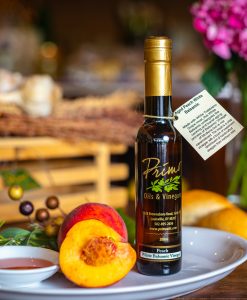
Peach White Balsamic
Price range: $8.00 through $39.95 -
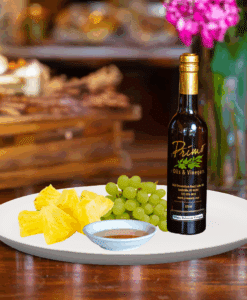
Pineapple White Balsamic
Price range: $8.00 through $39.95 -
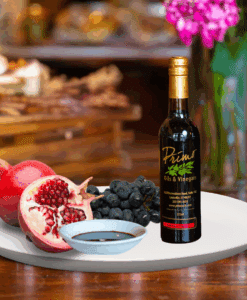
Pomegranate Balsamic
Price range: $8.00 through $39.95 -
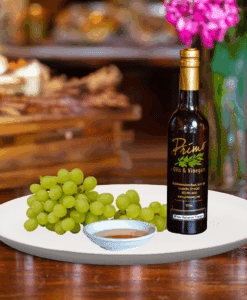
Premium White Balsamic Vinegar Condimento
Price range: $8.00 through $39.95 -
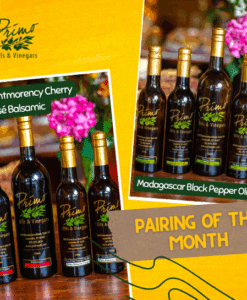
Primo Bundle Sale
Price range: $28.00 through $43.00 -
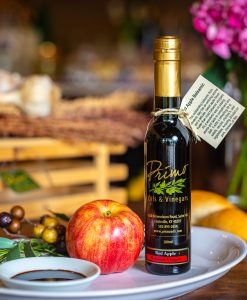
Red Apple Balsamic
Price range: $8.00 through $39.95 -
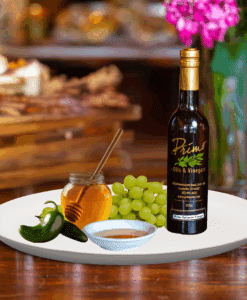
Serrano Honey Vinegar
Price range: $8.00 through $39.95 -
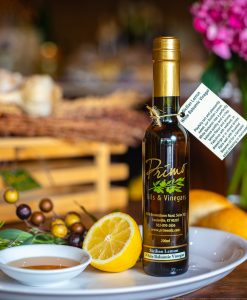
Sicilian Lemon White Balsamic Vinegar
Price range: $8.00 through $39.95 -
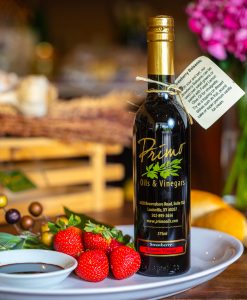
Strawberry Balsamic
Price range: $8.00 through $39.95 -
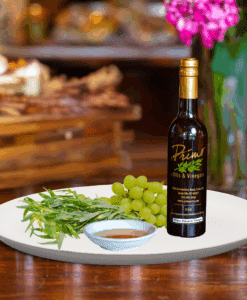
Tarragon White Balsamic Vinegar
Price range: $8.00 through $39.95 -
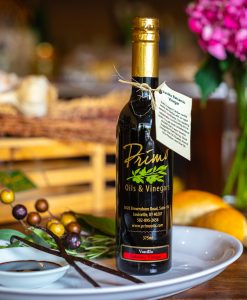
Vanilla Balsamic Vinegar
Price range: $8.00 through $39.95


Why Choose Primo Oils
Most balsamic vinegar on grocery shelves isn’t really balsamic at all. It’s wine vinegar mixed with caramel coloring, thickeners, and added sugar to fake the sweetness and body of the real thing.
As foodies, we’re really underwhelmed with the options available – you deserve better than that. Which is why every balsamic we carry at Primo is made from Trebbiano and Lambrusco grape must and aged 12 to 18 years in wooden barrels, the traditional way.
That aging process is what gives our vinegars their natural sweetness, velvety texture, and layered complexity. It’s also what makes them genuinely good for you, packed with antioxidants and probiotics that you won’t find in mass-produced bottles.
Helpful Resources

Steak Tacos
How do you like your steak? Whether it's still mooing or very well done, get ready to fire up the grill to serve some delicious steak tacos that'll...

Apricot Balsamic Ice Cream
Do you remember your excitement the moment you heard an ice cream truck's song playing throughout your neighborhood? Oh, the sweet sound of summer!...
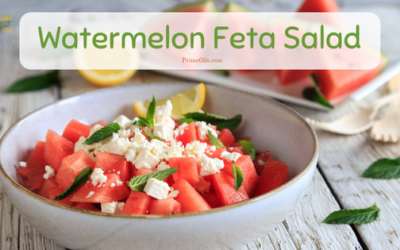
Watermelon Feta Salad
When you think of watermelon, you can't help but think of those hot summer days, spending time outdoors. And what's better than a watermelon salad...
New to Balsamic Vinegars? Here’s What We Recommend
If balsamic vinegar has only ever meant salad dressing to you, you’re in for a pleasant surprise. A quality balsamic can do so much more, and choosing the right one depends on how you like to cook.
Dark balsamic vinegars are the classic. They’re thicker, sweeter, and more concentrated. They shine as glazes over grilled meats, drizzled on roasted vegetables, or even spooned over vanilla ice cream. Our 18-Year-Old Balsamic Condimento is one of the most popular bottles in the shop and a great place to start.
White balsamic vinegars are milder and a little tangier. They’re perfect for lighter dishes where you want brightness without the dark color, think fruit salads, seafood marinades, and vinaigrettes. Our fruit-infused whites, like Peach or Pineapple White Balsamic, are especially fun to experiment with.
Not sure which to grab? Visit our Louisville Farmer’s Market booths before you buy. That’s the easiest way to find your would-be favorites!
How to Use Balsamic Vinegar
Balsamic vinegar is one of those ingredients that quietly makes everything taste better. A small splash goes a long way, so you don’t need much to see a real difference in your cooking.
The simplest use is a vinaigrette. Mix one part balsamic with three parts olive oil, add a pinch of salt, and you’ve got a dressing that beats anything from a store-bought bottle.
From there, try it as a marinade for chicken, steak, or pork. The acidity tenderizes the meat while adding sweet, tangy depth. Check out our Balsamic Glazed Chicken Thighs or Grilled Balsamic Steak recipes for easy starting points.
Beyond meats, balsamic vinegar pairs surprisingly well with sweet things, too. A drizzle of dark balsamic over fresh strawberries, a scoop of ice cream, or even a slice of cheese transforms something ordinary into something memorable.
You can also reduce balsamic vinegar into a thick, syrupy glaze by simmering it on low heat until it thickens. Use that glaze on roasted vegetables, grilled salmon, or bruschetta. For even more ideas, browse our full recipe collection or check out our detailed guide to using olive oils and vinegars.
FAQs About Balsamic Vinegar
Are balsamic vinegars healthy?
Yes. Balsamic vinegar is low in calories, fat-free, and rich in antioxidants from the grapes it’s made from. The acetic acid in balsamic may help manage blood sugar after meals and support healthy digestion.
A tablespoon has roughly 14 calories and just 2-3 grams of natural sugar. For the biggest health perks, choose quality balsamic made from grape must and wine vinegar devoid of added caramel or thickeners.
Does balsamic vinegar go bad?
Not easily. Its high acidity makes it naturally resistant to bacteria, so it stays safe to consume for years when stored properly.
That said, flavor and complexity can fade after two to three years once the bottle is opened. Store it in a cool, dark spot with the cap sealed tight, and skip the fridge, as cold can dull the flavor over time.
Is balsamic vinegar gluten free?
Traditional balsamic vinegar is made from grape must and wine vinegar, so it’s naturally gluten-free. Both the Italian Celiac Association and the U.S. National Celiac Association have confirmed this.
Where it gets tricky is with balsamic glazes or flavored varieties that may use thickeners derived from wheat. If you’re strictly avoiding gluten, check the ingredient label or stick with products labeled IGP or DOP.
Does balsamic vinegar have sugar?
It does, but it’s all natural sugar from the grapes. A tablespoon of quality balsamic typically contains about 2-3 grams. Interestingly, the acetic acid in balsamic may actually help reduce blood sugar spikes after a meal.
Watch out for cheaper commercial versions, though, as many add sugar, caramel syrup, or sweeteners to mimic the depth of properly aged vinegar.