

White Balsamic Vinegars
-
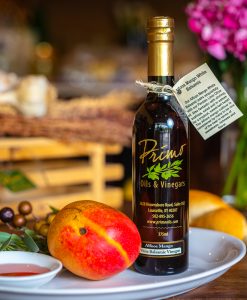
Mango White Balsamic
Price range: $8.00 through $39.95 -
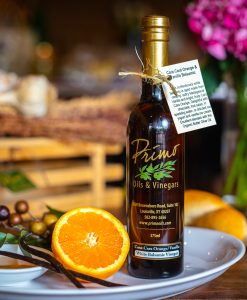
Cara Cara Orange-Vanilla White Balsamic Vinegar
Price range: $8.00 through $39.95 -
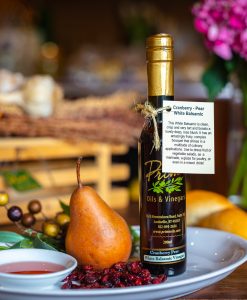
Cranberry Pear White Balsamic
Price range: $8.00 through $39.95 -
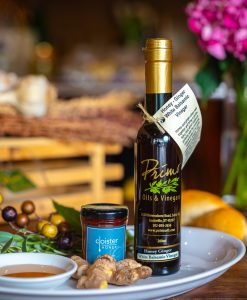
Honey Ginger White Balsamic
Price range: $8.00 through $39.95 -
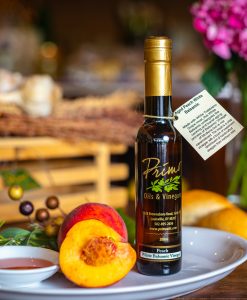
Peach White Balsamic
Price range: $8.00 through $39.95 -
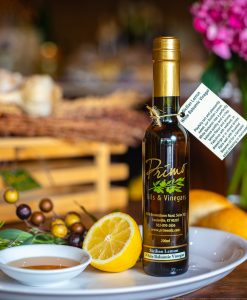
Sicilian Lemon White Balsamic Vinegar
Price range: $8.00 through $39.95 -
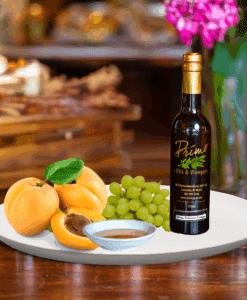
Blenheim Apricot
Price range: $8.00 through $39.95 -
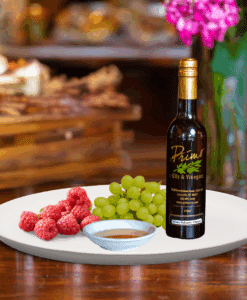
Cascadian Wild Raspberry White Balsamic Vinegar
Price range: $8.00 through $39.95 -
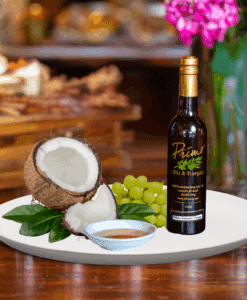
Coconut Balsamic Vinegar
Price range: $8.00 through $39.95 -
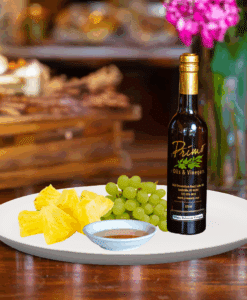
Pineapple White Balsamic
Price range: $8.00 through $39.95 -
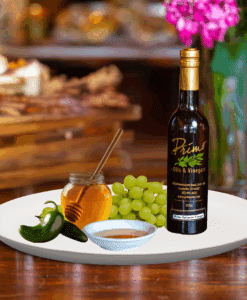
Serrano Honey Vinegar
Price range: $8.00 through $39.95 -
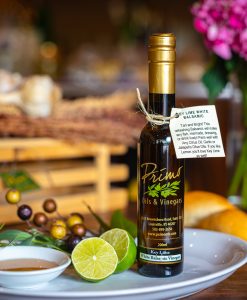
Key Lime White Balsamic Vinegar
Price range: $8.00 through $39.95 -
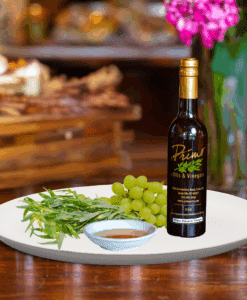
Tarragon White Balsamic Vinegar
Price range: $8.00 through $39.95 -
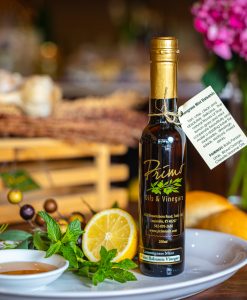
Lemongrass-Mint White Balsamic
Price range: $8.00 through $39.95 -
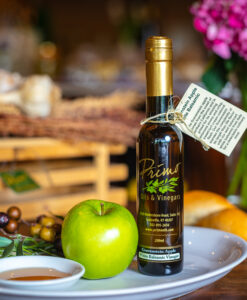
Gravenstein Apple White Balsamic
Price range: $8.00 through $39.95 -
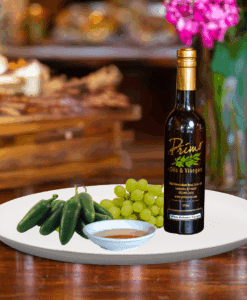
Jalapeño White Balsamic Vinegar
Price range: $8.00 through $39.95 -
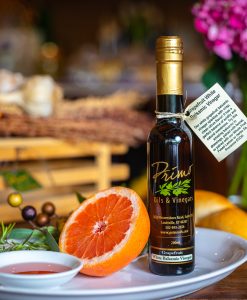
Grapefruit White Balsamic Vinegar
Price range: $8.00 through $39.95 -
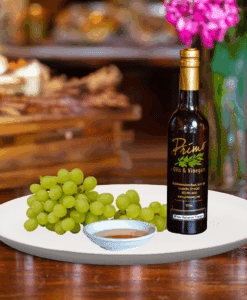
Premium White Balsamic Vinegar Condimento
Price range: $8.00 through $39.95 -
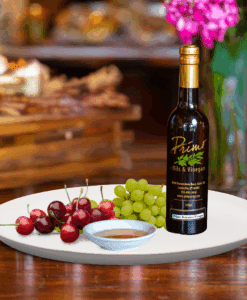
Montmorency Cherry Rosé Balsamic Vinegar
Price range: $8.00 through $39.95 -
Primo Bundle Sale
Price range: $28.00 through $43.00


Brighten your dishes with the delicate touch of Primo Oils‘ white balsamic vinegars. Milder and slightly less sweet than its darker counterpart, each bottle offers a softer flavor profile, perfect for light sauces, dressings, and marinades. Its clear hue ensures your dishes stay vibrant and visually appealing without overpowering them.
Why Choose Primo Oils
If you’ve only ever cooked with dark balsamic, white balsamic is about to open up a whole new corner of your kitchen. It has the same grape must base as its sibling, but the must is cooked at lower temperatures and aged in uncharred barrels to preserve a golden color and a lighter, brighter flavor.
Every white balsamic we carry at Primo is made from Trebbiano grapes and imported from producers in Modena, Italy. No caramel coloring, no added sugars, no thickeners. Just clean, honest vinegar with a crisp sweetness you can taste the difference in.
And because we source from small, family-owned Acetaie rather than mass distributors, our bottles arrive with the kind of freshness and complexity that grocery store vinegar simply can’t match. White balsamics are also packed with the same antioxidants and health benefits as dark balsamic. You’re not trading nutrition for a lighter flavor. You’re getting both.

Farmer’s Markets Are Back
Waking up early on a Saturday morning is worth it again! Farmers markets are back and you can find Primo Olive Oils at three of them in the…
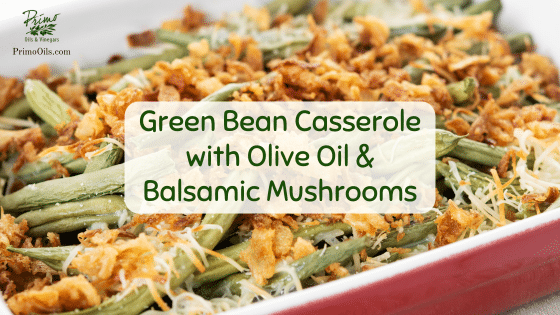
Green Bean Casserole with Olive Oil & Balsamic Mushrooms
Prep Time: 20 minutes | Cook Time: 30 minutes | Serves: 6–8 Category: Side Dishes | Tags: Holiday, Thanksgiving, Classic Comforts A classic…
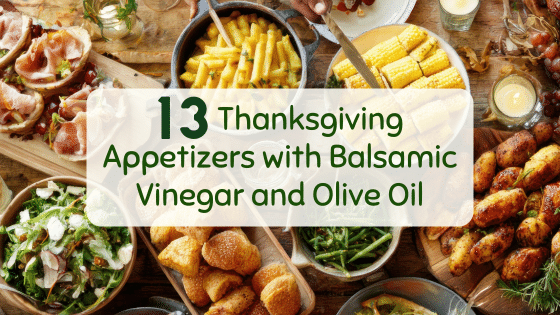
13 Thanksgiving Appetizers with Balsamic Vinegar and Olive Oil
Set the tone for a memorable feast with Thanksgiving appetizers that are big on flavor (and low on stress). These Primo-powered appetizers with…
First Time Trying White Balsamic? Here’s What We Recommend
White balsamic vinegars tend to be tangier and more fruit-forward than dark balsamics, which makes them incredibly fun to pair with food. If you’re not sure where to start, here are a few customer favorites.
Peach White Balsamic is one of our bestsellers here at Primo. Foodies love its sweet, bright elements, which pair beautifully with grilled chicken, summer salads, and fresh fruit. If you like a little warmth, Honey Ginger White Balsamic adds a subtle kick that works wonderfully in Asian-inspired marinades and stir-fry sauces.
For citrus lovers, our Sicilian Lemon White Balsamic is a go-to for seafood, light pasta, and vinaigrettes. And if you’re after something a little sweet and savory, Cranberry Pear White Balsamic is a seasonal favorite that makes a great glaze for roasted turkey or pork.
Not sure which one’s for you? Try these white balsamics at our Louisville Farmer’s Market booths before you buy!
How to Use Balsamic Vinegar When Cooking
White balsamic vinegar is the one you reach for when you want brightness without the usual dark color. Its lighter body and tangy sweetness make it a natural fit for dishes where dark balsamic would be too heavy.
This makes it perfect for dressings and vinaigrettes. Whisk it with any of our olive oils at a three-to-one ratio for a quick, fresh dressing that works on just about any salad. The lighter color helps your greens stay vibrant rather than turning muddy brown with dark balsamic.
It’s also a fantastic marinade base. Combine it with Garlic or Tuscan Herb Olive Oil, then let your chicken, shrimp, or pork marinate for an hour before grilling. The acidity tenderizes while the fruit-forward sweetness builds flavor without becoming overpowering.
Where white balsamic really shines, though, is with fresh fruit. A light drizzle over sliced strawberries, peaches, or melon brings out their natural sweetness in a way that surprises people every time. It’s one of the simplest desserts you can serve and one of the most memorable.
For more pairing ideas and step-by-step instructions, check out more dishes in our recipes page. Better yet, feel free to grab a copy of our free Primo cookbook!
FAQs About White Balsamic Vinegar
What is white balsamic vinegar?
White balsamic vinegar is made from the same Trebbiano grape must as traditional dark balsamic, but with a different production method. The grape must is cooked at a lower temperature and under pressure to prevent caramelization, which keeps the vinegar light and golden instead of dark and syrupy.
It’s then aged in uncharred barrels or stainless steel, so it stays crisp and bright. The result is a milder, tangier vinegar with a clean sweetness that won’t darken your dishes.
What’s the difference between white and dark balsamic vinegar?
They’re made from the same grape but differ in technique and purpose.
Dark balsamic is cooked at high heat to caramelize the sugars, then aged for years in charred wooden barrels. That’s what gives it its deep color, thick texture, and rich, complex sweetness.
White balsamic skips the caramelization and heavy aging, so it stays lighter in both color and flavor.
Dark balsamic is best for glazing, drizzling, and hearty dishes. White balsamic shines in dressings, marinades, fruit pairings, and any dish where you want a tangy brightness without the dark color.
How do you cook with white balsamic vinegar?
White balsamic vinegar is incredibly versatile. Use it as the base for a quick vinaigrette by whisking it with olive oil, salt, and pepper. It also makes a great marinade for chicken, seafood, and pork, especially when paired with a citrus or herb-infused olive oil.
You can also splash it into pan sauces, toss it with roasted vegetables, or drizzle it over fresh fruit for a simple dessert. Because it won’t darken your food, it’s the better choice anytime you need to pay a little more attention to presentation.